Why Specialized Cleaning Standards Matter
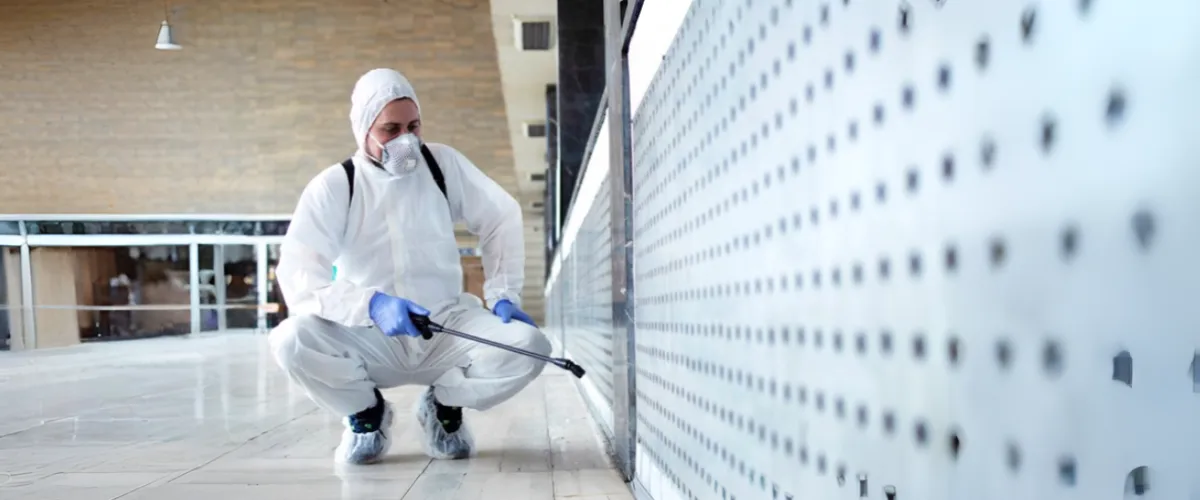
Medical and pharmaceutical buildings deal with a type of contamination risk that ordinary commercial spaces simply do not face. A fingerprint on a reception counter is one thing. Residue transfer inside a medication prep area or microbial buildup on shared equipment is something else entirely. These environments move fast, stay occupied for long hours, and rely on strict sanitation consistency to keep operations stable. That is why professional decontamination cleaning services go beyond surface-level disinfecting and nightly upkeep.
Cleaning in These Facilities Is About Control, Not Appearance
One of the biggest misconceptions about healthcare and pharmaceutical cleaning is the idea that a space only needs to look spotless. In reality, contamination often builds in places most people never notice. Air vents collect particulates, moisture settles around equipment bases, and high-touch surfaces become transfer points throughout the day. Staff members move between rooms constantly, carts travel through multiple departments, and production areas operate around sensitive materials that cannot tolerate careless cleaning methods. The work is less about presentation and more about controlling what spreads, where it spreads, and how quickly it is removed.
What a Proper Decontamination Process Usually Covers
A serious sanitation plan starts with evaluating how the facility actually functions day to day. Cleaning teams need to understand traffic flow, equipment sensitivity, airflow circulation, and which areas face the highest exposure risks. Medical offices, laboratories, pharmaceutical production rooms, and treatment spaces all operate differently, so the cleaning strategy cannot be generic. In many cases, steam sanitization is preferred because it reaches seams, corners, textured surfaces, and tight mechanical spaces without saturating the area with chemical residue.
A thorough contamination control program often includes:
- High-touch surface sanitization
- HVAC and vent cleaning
- Equipment detailing and disinfection
- Steam treatment for sensitive environments
- Electrostatic application methods
- Cross-contamination prevention procedures
- Restroom and common area sanitization
- Floor and wall decontamination
Why Method Selection Matters More Than Most People Realize
Not every disinfecting method belongs inside a medical or pharmaceutical facility. Some chemicals are too aggressive for repeated use around sensitive materials, while others leave residue that becomes its own problem over time. Even the wrong mop system can spread contaminants from one area to another if the process is poorly managed. Experienced cleaning crews pay attention to material compatibility, drying times, ventilation concerns, and surface conditions because shortcuts in these environments have a way of showing up later when nobody wants them to.
Exposure Response Requires a Different Level of Cleaning
When a facility deals with an infectious exposure incident, the response process changes immediately. Isolation areas, waiting rooms, staff stations, and shared equipment all require targeted treatment instead of broad general cleaning. Timing matters too. In buildings with constant foot traffic and common contact surfaces, delayed sanitation raises exposure risks. Professional virus decontamination services are designed for situations where containment, surface treatment, and environmental control all need to happen quickly and methodically without disrupting critical operations more than necessary.
Airflow and Ventilation Are Part of the Problem Too
A surprising number of contamination issues start above eye level. Ventilation systems collect dust, moisture, residue, and airborne particles that eventually circulate back through occupied areas if maintenance is inconsistent. In pharmaceutical settings, especially, poor vent sanitation can quietly undermine otherwise strong cleaning protocols. Surface disinfection alone is not enough when contaminants continue moving through the air system every day. Good cleaning teams understand that airflow management is part of contamination control, whether people notice it or not.
Conclusion
Medical and pharmaceutical facilities deal with a level of contamination risk that ordinary commercial cleaning simply is not built for. A missed surface in an office might not matter much, but in a treatment area, lab, or production space, small sanitation failures can create bigger operational problems very quickly. At GVMS 1 Steam Cleaning, we spend time focusing on the areas people usually overlook during rushed cleaning routines, especially shared equipment, corners around machinery, touchpoints, vents, and heavily used workspaces where buildup tends to collect slowly over time. Good sanitation in these environments is tied directly to how reliably the facility functions every day. If your current cleaning process feels inconsistent or incomplete, our team can help you build a more thorough approach to contamination control.
Faq
What makes medical and pharmaceutical cleaning different from regular commercial cleaning?
These facilities require stricter contamination control because bacteria, residue, and airborne particles can affect safety, compliance, and daily operations. Standard office cleaning methods are usually not detailed enough for these environments.
Why is ventilation cleaning important in contamination control?
Dust, moisture, and microbial particles can build up inside HVAC systems and circulate throughout the building over time. Cleaning vents and airflow systems helps reduce hidden contamination risks.
Can steam cleaning be used safely around medical equipment?
Yes, when handled correctly, steam sanitization can clean sensitive surfaces without leaving heavy chemical residue behind. It is especially useful for tight spaces and difficult-to-reach areas.
How often should pharmaceutical facilities schedule deep decontamination cleaning?
The schedule depends on facility traffic, production activity, and regulatory requirements. High-use environments often need more frequent, detailed sanitation to maintain proper cleanliness standards.
What areas are commonly overlooked during routine cleaning?
Shared equipment, touchpoints, vents, machinery edges, and corners around workstations are often missed during rushed cleaning routines. These areas can quietly collect buildup over time if they are ignored.