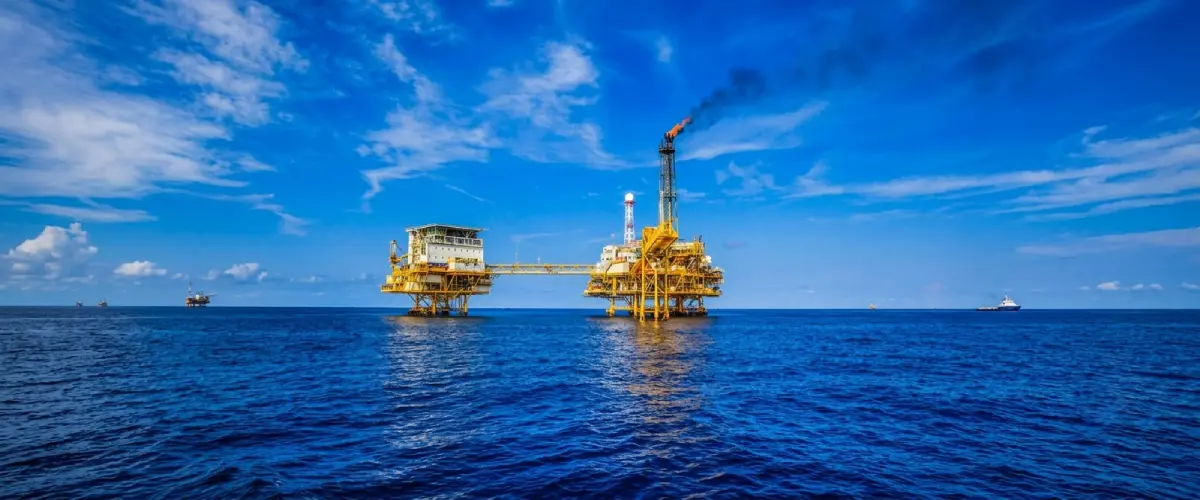
You can tell a lot about a rig by looking at the places nobody photographs. Not the control room, not the helideck, but the gap behind a pump housing or the underside of a handrail where three different hands grip it every shift change. That is where the real story of a rig’s cleanliness lives, and it is usually a messier story than anyone wants to admit. Offshore environments do not play by the same rules as a warehouse or an office building. Everything is closer together than you would like, crews work around the clock, machinery does not stop just because someone wants to mop underneath it, and the space itself seems to conspire against easy access. Grease finds its way into places grease has no business being, and residue builds up on surfaces that get touched constantly but cleaned rarely. None of this is anyone’s fault exactly. It is just what happens when people work hard in tight quarters for weeks at a stretch, and it is exactly why steam cleaning for offshore rigs has become such a practical part of how operators manage these spaces.
Start By Actually Looking
Before any equipment gets switched on, we walk the site and pay attention not just with a glance but with an actual assessment of what is really there. We look at where the buildup is concentrated, what is collecting along the seams and edges that a normal wipe down would miss, and which areas get so much daily traffic that grime has essentially become part of the surface. This step gets skipped more often than it should, because it is tempting to show up with a plan already fixed in your head before you have even seen the place. But every rig carries its own history of wear, and a platform that has been running heavy operations for months looks nothing like one that has had lighter use. We have to see the actual conditions before deciding how to respond to them, not the conditions we assumed we would find walking in.
Matching the Method to the Mess
Once we know what we are dealing with, the question becomes how to deal with it properly. Heat-based methods earn their place here often, particularly where controlled heat is needed to cut through grease without soaking a surface that should stay dry, and for a lot of offshore surfaces that is simply the right approach for the job. But it is not the only tool we reach for, and treating it like a cure-all would be a mistake. Depending on the site, the work might involve:
- Heat treatment for grease and residue on surfaces that tolerate it well
- Disinfection procedures for areas with hygiene or contamination concerns
- Fogging where the space calls for broader coverage
- A combination of these, layered depending on what the contamination actually is
The surface matters, the equipment nearby matters, and even the airflow in an enclosed space can change what approach makes sense. Good cleaning work means asking what is needed here, rather than running the same routine everywhere and hoping it holds up under different conditions.
The Areas Everyone Walks Past
Floors get attention because floors are obvious, and everyone notices a dirty floor without needing to be told. Fewer people notice the buildup collecting in a corner behind equipment, along a seam where two panels meet, or on a handrail that gets gripped by every person passing through that stretch of the rig, shift after shift, week after week. These high-touch, high-traffic spots deserve more scrutiny than they usually get, because they are the places where contamination accumulates fastest and where a rushed cleaning job shows its weaknesses first. A spotless open floor does not tell you much about the quality of the work. The corners do, the edges do, and the places that require someone to actually bend down and look are the ones that tell you whether the job was done properly or just done quickly.
Cleaning and Decontamination Are Not the Same Thing
It is worth being clear about this distinction, because the two terms get used interchangeably more often than they should be. Wiping away visible dirt is cleaning, while addressing what is actually contaminating a surface and making sure it stays addressed is decontamination, and the second one asks more of the process than the first. Depending on what the site needs, that might mean layering in disinfecting steps or fogging on top of the primary treatment, but the goal is never to pile on extra procedures because more sounds more thorough. We aim to match the treatment to the actual problem and stop there, because overdoing it wastes time and resources while underdoing it leaves contamination sitting exactly where it started.
The Inspection at the End Matters More Than People Think
This is the step that separates a decent cleaning job from a genuinely finished one. Once the work is done, we go back through the areas that were treated and compare them against what was found during the original assessment, checking whether that corner actually got cleared out or whether it still shows residue, and whether a fixture is actually clean underneath rather than just clean-looking from three feet away. If something was missed, it needs another pass, and that is not a failure so much as part of doing the job right. A dependable steam cleaner service should always end with this kind of honest review, because the gap between a quick cleaning and a properly completed one usually shows up in the details that are easiest to miss.
Why This Approach Holds Up Offshore
Rigs face conditions that punish shortcuts, and heavy use, constant traffic, and demanding environments leave little room for a generic cleaning checklist applied the same way everywhere. A structured approach that actually assesses conditions, selects the right method for each surface, and checks the results afterward gives operators something far more durable than a quick surface pass. Steam cleaning for offshore rigs fits into that structure where it makes sense, not as a default but as one option among several, chosen because it is genuinely right for the job at hand rather than because it is convenient to schedule. GVMS 1 Steam Cleaning works within that kind of framework, treating each site on its own terms instead of running through a fixed routine regardless of what is actually there.
Conclusion
No two platforms wear the same way, since layout differs, traffic patterns differ, the equipment involved differs, and so does the level of sanitation each site genuinely needs. A cleaning plan built around a generic template will always underperform one built around the specific rig it is meant to serve. That means looking honestly at where contamination tends to return, which areas take the heaviest use, and what the site actually requires rather than what is easiest to fit into a schedule. It is more work upfront, but it holds up better over time than treating every visit as an identical, interchangeable job. If your offshore facility needs that kind of attention, reach out to GVMS 1 Steam Cleaning, and we can walk through your site, your surfaces, and what the job genuinely calls for.
FAQs
Is steam cleaning safe to use around active offshore equipment and machinery?
Yes, when applied correctly by trained professionals, steam cleaning is safe for most offshore equipment and surfaces.
How often should an offshore rig schedule professional decontamination?
It depends on traffic and operating conditions, but most rigs benefit from a regular, ongoing cleaning schedule.
What is the difference between routine cleaning and full decontamination?
Routine cleaning removes visible dirt, while decontamination addresses deeper contamination and overall sanitation.
Can steam cleaning be combined with disinfection or fogging in a single visit?
Yes, these methods are often layered together depending on what the site and contamination actually require.
How long does a typical offshore rig cleaning and inspection service take?
The timeline varies by rig size and scope, but every service ends with a final inspection before completion.