Why Electronics Change the Way Commercial Spaces Need to Be Cleaned
Commercial buildings are packed with electronics now. Offices run on shared workstations and servers. Restaurants depend on touchscreen ordering systems and digital payment terminals. Warehouses use scanning equipment that gets handled all day long. Even fleet vehicles have become rolling computer systems filled with sensors, cameras, climate controls, and navigation screens. Cleaning around this equipment is not something you can improvise with a mop bucket and too much water. One careless cleaning routine can create corrosion inside connectors, moisture behind panels, or electrical failures that show up weeks later. That is usually when businesses start looking more seriously at vapor steam cleaning services instead of conventional wet cleaning methods.
Dry Vapor Steam Is Not the Same as Traditional Steam Cleaning
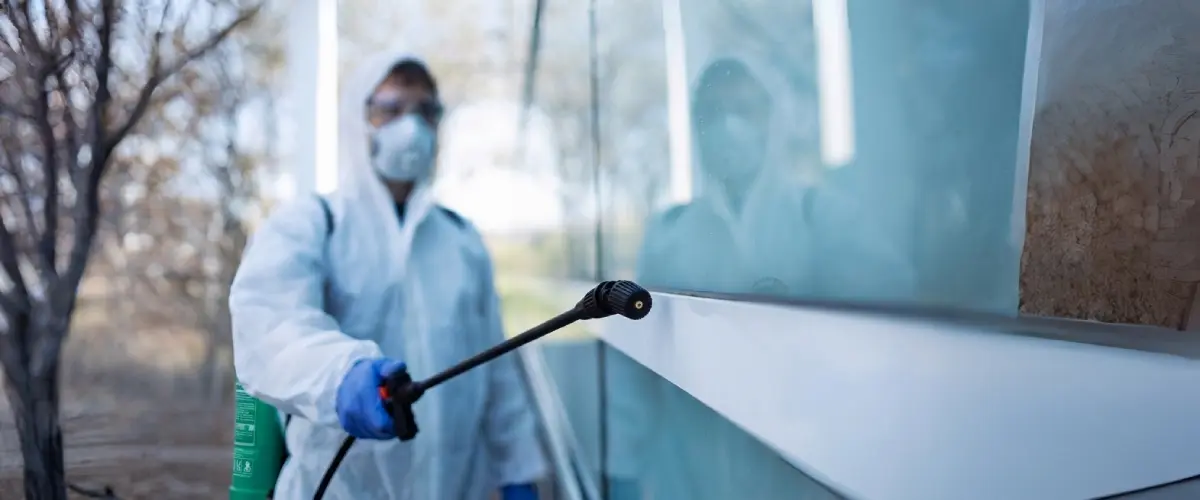
A lot of people still picture steam cleaning as clouds of hot moisture blasting across surfaces. Older systems often worked that way. Dry vapor equipment operates differently. The vapor contains very little water, which is exactly why it works well in environments where oversaturation creates problems. A properly operated commercial vapor steam cleaner produces heat capable of breaking down grease, grime, residue, and buildup while leaving behind minimal moisture on the surface itself. That distinction matters more than most people realize. Sensitive electronics rarely tolerate standing moisture, but controlled low-moisture vapor can often clean surrounding surfaces far more safely than soaked cloths, spray bottles, or aggressive chemical scrubbing.
Excess Moisture Creates Problems Most Businesses Never Notice Immediately
Water damage in commercial environments is rarely dramatic at first. It usually develops quietly. Moisture slips into seams around buttons, behind control panels, under rubber seals, or inside dashboard components where airflow is limited. Corrosion builds slowly. Electrical contacts start failing inconsistently. Odors develop inside enclosed interiors. People blame aging equipment without realizing that cleaning methods helped create the problem. That is one reason low-moisture systems have become more common in facilities where expensive equipment operates daily, and downtime costs real money.
Some Commercial Environments Benefit More Than Others
Certain facilities see an immediate advantage from low-moisture steam cleaning:
- Manufacturing plants with electronic control stations
- Commercial kitchens filled with powered equipment
- Medical facilities with sensitive devices
- Transportation fleets with digital interiors
- Offices with shared electronics and high-touch workstations
The important part is not simply using steam. The technique matters. Heat levels, nozzle selection, airflow, surface material, and distance from components all affect the outcome. We approach electronics cleaning carefully because overconfidence causes damage faster than dirt ever will. Experienced technicians know when to clean directly, when to clean around components, and when a surface requires a different method entirely.
Chemical Residue Creates Its Own Set of Problems
One thing people underestimate is how much residue traditional cleaning chemicals leave behind. In offices and enclosed facilities, those residues collect on keyboards, vents, control surfaces, armrests, and touchpoints that employees handle constantly. Some disinfectants also leave streaking or film that attracts dust faster afterward. Vapor cleaning avoids a lot of that buildup because the process relies more on controlled heat than chemical saturation. That becomes especially useful in facilities trying to reduce strong odors or improve indoor air conditions without sacrificing sanitation standards. More businesses are moving toward vapor steam cleaning services because they want surfaces cleaned thoroughly without turning the building into a chemical cloud afterward.
Fleet Interiors Are One of the Best Examples
Fleet cleaning is probably one of the clearest examples of why low-moisture cleaning matters. Modern commercial vehicles contain far more electronics than people realize. Digital dashboards, sensors, communication systems, USB ports, steering wheel controls, cameras, and touchscreen displays are packed into tight cabin spaces where moisture has nowhere to escape. Traditional interior detailing methods often use too much liquid, especially around seams and controls. Dry vapor allows technicians to clean buildup from vents, textured plastics, seating areas, and hard-to-reach surfaces without flooding sensitive areas with water.
Conclusion
At GVMS 1 Steam Cleaning, we treat commercial equipment with the same caution we would expect inside our own facility. Cleaning should extend the life of a workspace, not quietly shorten it. Proper vapor cleaning gives businesses a way to maintain cleaner environments without exposing electronics and sensitive systems to unnecessary moisture or excessive chemical use.
If your facility contains electronics, fleet equipment, shared workstations, or sensitive commercial systems that require deeper cleaning without the risks associated with traditional wet methods, contact us today to learn how professional steam cleaning can help protect both your equipment and your working environment.
Faq
Can steam cleaning damage electronic equipment?
Dry vapor steam cleaning uses very low moisture, which makes it far safer around electronics than traditional wet cleaning methods when handled properly by trained technicians.
Is dry vapor steam safe for office workstations and keyboards?
Yes, low-moisture vapor can help clean high-touch office surfaces without oversaturating sensitive equipment or leaving behind chemical residue.
Why is low-moisture cleaning important in commercial facilities?
Excess moisture can lead to corrosion, mold growth, and hidden electrical issues that often develop slowly over time inside equipment and control systems.
Can fleet vehicle interiors be cleaned with vapor steam?
Dry vapor cleaning works well for fleet interiors because it helps remove buildup from dashboards, vents, and seating areas without flooding electronic components.
Does vapor steam cleaning reduce the need for harsh chemicals?
Yes, vapor cleaning relies heavily on controlled heat, which helps minimize chemical usage while still maintaining strong cleaning and sanitation performance.