Why Emergency Vehicles Need More Than a Basic Cleaning
An ambulance can carry three patients with completely different medical conditions before lunch. Add rushed handoffs, crowded emergency scenes, wet boots, open trauma supplies, and constant surface contact, and the inside of that vehicle starts collecting contamination fast. Most people picture visible mess when they think about sanitation, but the real problem is usually what settles into seams, textured flooring, restraints, vents, and equipment mounts after repeated calls. An emergency vehicle decontamination service is designed to deal with those conditions properly, not just make the interior smell cleaner for the next shift.
The First Step Is Identifying the Real Risk Areas
No serious decontamination job starts with spraying chemicals everywhere and hoping for the best. The vehicle has to be assessed first. Technicians look at the type of exposure, how far contamination may have spread, what materials are inside the cabin, and whether sensitive medical equipment needs special handling. Bloodborne pathogens, respiratory illness exposure, bodily fluids, mold growth, and bacterial buildup all behave differently inside a confined vehicle environment. Some contamination stays obvious. Some of it settles into places crews touch constantly without thinking twice about it.
Contamination Builds Up in the Places Most People Ignore
The obvious surfaces get attention during routine wipe-downs, but emergency vehicles develop buildup in smaller areas that crews interact with hundreds of times a week. Seat belt buckles, radio controls, stretcher rails, cabinet handles, oxygen tank brackets, floor tracks, steering wheels, and ventilation panels all become high-contact transfer points over time. That is where rushed cleaning usually falls apart. A disinfectant wipe may hit the surface, but it rarely reaches the corners, creases, and textured materials where contamination hangs on.
Why Steam Sanitization Works So Well in Emergency Vehicles
Steam has become one of the more practical sanitation methods for emergency fleets because it handles deep cleaning without soaking the interior in harsh residue. High-temperature vapor moves into tight spaces that are difficult to treat with traditional sprays, especially around mounted equipment and uneven surfaces. At GVMS 1 Steam Cleaning, we use steam because it allows us to clean aggressively without treating every vehicle interior like an industrial warehouse floor. Emergency vehicles contain electronics, medical tools, restraints, storage systems, and soft materials packed into a relatively small space. Overusing chemicals inside that environment can create its own problems
The Cleaning Process Requires Patience and Methodical Work
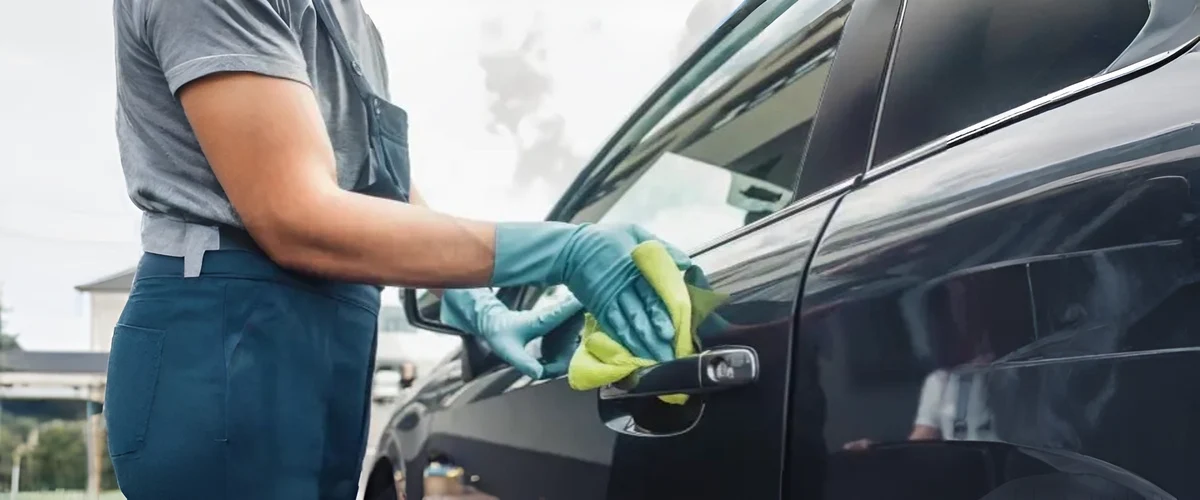
Once sanitation begins, the process moves in a deliberate order so already-cleaned surfaces are not contaminated again during the job. Technicians usually work through the cabin from top to bottom while focusing heavily on repeated touchpoints and enclosed areas where moisture and bacteria collect. The surfaces that typically demand the most attention include:
- Door handles
- Dashboard controls
- Communication equipment
- Patient restraints
- Stretcher locking hardware
- Flooring edges
- Air circulation vents
Odors Usually Signal a Bigger Problem Underneath
One thing people notice immediately after contamination exposure is odor, but smell alone is a terrible way to judge whether a vehicle is actually sanitized. Strong disinfectant fragrances can mask underlying contamination without solving it. Steam-based cleaning tackles the bacteria and organic buildup causing the odor in the first place, which is why the air inside the vehicle often feels noticeably different afterward. In medical transport environments, that matters more than people realize. Patients already dealing with respiratory stress do not need to sit inside a cabin filled with lingering chemical residue and stale air.
Returning the Vehicle to Service Safely
Before the vehicle goes back into rotation, technicians perform a final inspection to confirm contaminated surfaces have been treated properly and that critical areas have not been missed during cleaning. Downtime matters in emergency operations, but rushing a sanitation job usually creates more problems than it solves. Many departments now use emergency disinfection services after infectious disease exposure or trauma-related transport because routine maintenance cleaning simply is not built for high-risk contamination events.
Conclusion
A properly cleaned emergency vehicle protects the crew, the patient, and everyone who enters that cabin afterward. It also helps fleets stay operational without avoidable contamination issues slowing down response times. An emergency vehicle decontamination service is ultimately about reliability under pressure. If your vehicle has been exposed to contamination, it makes sense to get it handled right away, and we can arrange a professional cleaning so it is ready for service again without unnecessary delay.
Faq
What is included in an emergency vehicle decontamination service?
It includes inspection, removal of contaminated materials, and deep cleaning of all high-risk areas. Steam sanitization is used to treat surfaces, seams, and equipment zones properly.
How is this different from a regular vehicle cleaning?
Regular cleaning focuses on visible dirt, while decontamination targets hidden biological and chemical contamination. It is designed for emergency and medical-grade safety conditions.
Why is steam used in emergency vehicle cleaning?
Steam reaches tight gaps and textured surfaces where normal cleaning methods fail. It also reduces heavy chemical use around sensitive medical equipment.
How long does the decontamination process usually take?
Time depends on contamination level and vehicle size, ranging from quick turnarounds to more detailed cleaning cycles. Severe exposure cases naturally take longer.
When should a vehicle be sent for decontamination?
It should be done immediately after exposure to bodily fluids, infectious cases, or unknown contaminants. Waiting increases safety risks for both crew and patients.