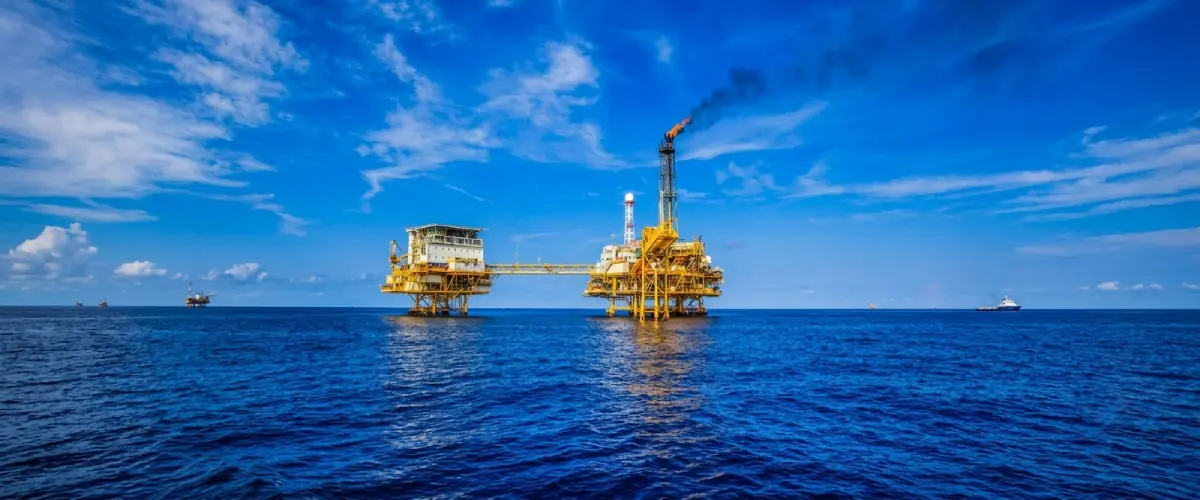
Offshore rigs are never at rest. The crews work long shifts, the machinery is in use under harsh conditions, and any surface is subject to salt, moisture, grease, and heavy wear. The same challenge is faced in all living areas, kitchens, control rooms, and work decks. They collect dirt, contaminants, and residues that regular cleaning can’t take out. Where people live and work close together, for weeks at a time, it is a part of responsible operations to maintain a higher standard of cleanliness.
Professional Rig Deep Cleaning Services offer the in-depth cleaning, sanitizing, and decontamination required to ensure offshore facilities are safer, cleaner, and better equipped for their daily operations.
Offshore Environments Require a Higher Level of Cleaning
It’s a different job to clean an office building than it is to clean an offshore platform. Offshore facilities are also heavily industrial with residential facilities, and if not properly maintained, can expose a variety of areas to contamination.
Oil accumulates on the machines. Exposed surfaces accumulate salt. A constant presence in shared housing spaces necessitates daily cleaning, as do kitchens, dining spaces, and restrooms, to ensure a hygienic environment. With the addition of changing weather conditions, limited space, and constant operations, the scope of housekeeping is no longer enough for all cleaning needs.
Deep cleaning fills this void by cleaning areas that a lot of people use but can’t clean easily with normal cleaning.
Why Deep Cleaning is More Than Taking Out Dirt
Having the rig surfaces clean is not enough to keep a rig in good condition in the offshore environment. In many instances, contaminants are not visible, but dirt might be.
Professional deep cleaning is a process that involves cleaning, sanitizing, and disinfecting. Although all the stages are available, they are used for different purposes. Cleaning eliminates grease, soil, and visible debris. Sanitizing decreases the amount of microorganisms on cleaned surfaces; disinfecting attacks bacteria and viruses that may have survived cleaning.
Considering them as standalone steps will build a more holistic offshore hygiene solution. It also contributes to healthier living and working conditions for crews who work long hours away from the shore.
Steam Cleaning Plays an Important Role
The use of high-temperature steam has emerged as one of the most powerful ways to clean in challenging industrial settings.
Steam can go through grease, dislodge trapped dirt, and seep into areas that are irregular and hard to reach, including joints, equipment, and textured surfaces, which are areas that are often difficult to reach with traditional cleaning methods. The process utilizes heat, which helps minimize the amount of chemicals used and yet delivers effective cleaning results.
This is particularly useful in offshore facilities. Cleaning of equipment, work areas and common areas may be more effective and support environmentally friendly maintenance practices.
Steam cleaning should not be used to replace all cleaning methods, but it has its place in a complete offshore cleaning program.
The Provision of Assistance in Cleaning to Support Safety
There are hundreds of little things that need to work to be safe on an offshore rig. One of these is cleanliness.
Can cause work surfaces to be harder to keep clean. Dirt accumulations can hamper an examination. Shared areas must be maintained regularly as the crews spend a considerable amount of time in closed areas.
Professional deep cleaning can alleviate these concerns by getting rid of buildup from work decks, machinery, handrails, living areas, dining areas, and other areas that are used regularly.
Companies that invest in Rig Deep Cleaning Services realize that having cleaner facilities also helps to create a safer, more organized work environment.
Ensuring High Standards on Offshore Facilities
Offshore operations are predicted to keep consistent cleaning practices in their facilities. This goes beyond looks, and it’s a sign of a commitment to responsible maintenance.
Professional offshore cleaning is done in accordance with the procedures used in industrial environments. These methods involve a three-step process of cleaning, sanitizing, and disinfecting that results in a deeper clean than basic cleaning.
The cleaning processes are backed up by guidance from the Global Biorisk Advisory Council (GBAC), and the company is a member of ISSA, the International Association of Cleaning Science and Technology (ISSA). The professional standards provide a framework for organized, safe, and appropriate sanitation and decontamination procedures in the offshore environment.
Advanced Cleaning Methods for Challenging Environments
Offshore facilities have many different surfaces, equipment, and enclosed areas that require special cleanings.
As well as high-temperature steam cleaning, there are also advanced services that may involve electrostatic spraying and Ultra Low Volume (ULV) fogging. These technologies are used to disperse disinfectants evenly on treated surfaces, such as hard-to-reach areas where conventional methods might not be as effective.
A cleaning program is designed to reduce the amount of contaminants and exposure to unnecessary chemicals, with the use of EPA-recognized chemical-free disinfectants. These techniques can be used in tandem to form a more comprehensive decontamination procedure for offshore platforms and drilling rigs.
Areas That Benefit from Professional Deep Cleaning
A comprehensive offshore cleaning program covers the entire facility instead of a specific work area.
The following are common areas that are treated:
- Rig floors and work decks
- Machinery and equipment
- Living quarters
- Kitchens and dining areas
- Restrooms
- High-touch surfaces
- HVAC systems
- Air vents
- Entrances and corridors
- Offshore platforms and drilling vessels
Regular cleaning of these areas contributes to a healthier environment and can be utilized for regular cleaning throughout the facility.
Conclusion
Cleanliness is essential to safety, sanitation, and effective operations in the offshore environment operating in challenging conditions. Professional deep cleaning incorporates cleaning, sanitizing, disinfecting, high-temperature steam cleaning, electrostatic spraying, ULV fogging, and EPA-approved chemical-free disinfectants all into a systematic decontamination process. These techniques contribute to safer working areas, better living conditions, and uniform maintenance quality for offshore drilling rigs and platforms. For businesses seeking reliable Rig Deck Steam Cleaning services, GVMS 1 Steam Cleaning is the ideal choice for providing specialized offshore cleaning solutions that promote sustainable facility management and operational efficiency.
FAQs
Why are Rig Deep Cleaning Services Important for Offshore Facilities?
Rig deep cleaning removes built-up dirt, grease, and contaminants while supporting safer working conditions and better hygiene standards.
How Does Steam Cleaning Help Maintain Offshore Rigs?
High-temperature steam helps remove grease, grime, and contaminants from equipment, decks, and difficult-to-clean surfaces without relying heavily on chemicals.
What Areas of An Offshore Rig Require Deep Cleaning?
Offshore deep cleaning covers work decks, machinery, living quarters, kitchens, restrooms, HVAC systems, and high-touch surfaces throughout the facility.
Are Offshore Rig Cleaning Services Designed for Compliance and Safety Standards?
Yes, professional offshore cleaning follows structured sanitation and decontamination procedures to help facilities maintain safety and hygiene requirements.
What Cleaning Methods are Used for Offshore Rig Decontamination?
Offshore cleaning may include steam cleaning, electrostatic spraying, ULV fogging, and sanitizing processes to provide comprehensive contamination control.