Grease and bacteria don’t play by the same rules. One is a physical problem, a sticky film that clings to surfaces and resists water. The other is biological, invisible, and doesn’t care how clean something looks. Most cleaning products pick a side. Degreasers cut through grime but do little against bacteria. Disinfectants kill germs but leave grease untouched, and often leave a chemical smell behind that lingers longer than anyone would like.
Steam doesn’t split the difference like that. It handles both at once, using nothing but heat and pressure, which is exactly why Commercial Steam Cleaning Near Houston, TX, has become the go-to choice for facility managers who are tired of juggling two problems with two separate products.
Heat Does the Real Work
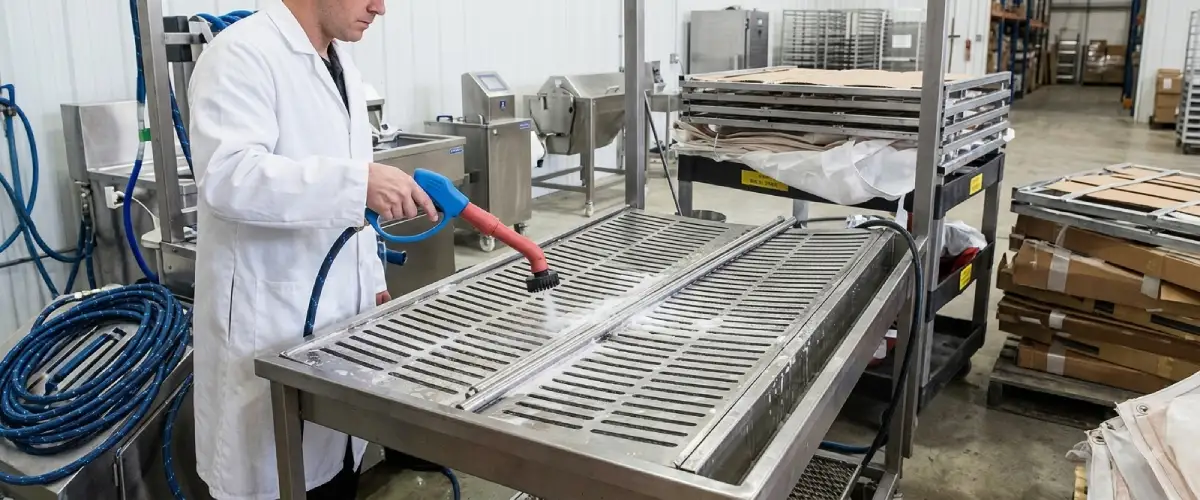
People assume steam cleans because it’s hot, and sure, that’s part of it, but the mechanism is worth understanding if you actually want to know why it works. Sustained high heat physically breaks down grease at a molecular level, loosening it from whatever surface it’s bonded to. That same heat disrupts bacteria closely enough that it doesn’t just relocate the problem; it eliminates it. Because the process runs on water-based steam rather than chemical agents, it’s safe enough to use around food-contact surfaces, kids’ equipment, even pets, without anyone worrying about what’s left behind after the surface dries.
What Steam Actually Removes
This part is well established, not guesswork. Steam cleaning eliminates a wide range of bacteria, germs, and dust mites, including E. coli, staph bacteria, and salmonella. It also lifts surface mold, viruses, and other microorganisms that tend to hide in places that look spotless but aren’t. And that gap between looking clean and being clean is where most facilities get caught off guard. Grease is good at masking exactly this kind of contamination. Wipe a surface down, it looks fine, but the organisms living underneath the residue haven’t gone anywhere. Treating grease and bacteria as one problem instead of two is really the whole point.
Skipping the Chemicals Isn't a Marketing Line
A lot of commercial cleaning still runs on chemical disinfectants and degreasers, and I get why: they’re familiar, and they work, mostly. But they come with baggage. Residue that needs rinsing off. Fumes that build up in kitchens and enclosed spaces. Runoff that has to be handled properly instead of just going down a drain. Steam skips all of it. There’s no chemical byproduct because there’s no chemical involved, just the right temperature and enough pressure to sanitize a surface completely. It’s eco-friendly by nature, not by clever formulation, and that distinction matters more than people give it credit for.
Proof, Not Promises
Here’s where a lot of cleaning services lose credibility. They tell you the job’s done and expect you to take their word for it. The better approach is on-site testing, done before the work starts and again once it’s finished. Record the baseline, do the cleaning, test again, and now you’ve got something measurable instead of a verbal assurance. Pair that with high-heat steam that removes dirt, bacteria, and odor in a single visit, and you end up with actual evidence that the grease and bacteria were dealt with, not just pushed around and hidden under a fresh smell.
Certification plays into this too, and it’s not just a badge on a website. Working to IKECA standards means following the same protocols used across kitchen exhaust and industrial cleaning, which matters more than people realize since grease buildup in exhaust systems is one of the most common fire hazards a commercial kitchen can have. Combine that with full insurance coverage, and you’re looking at an operation that’s accountable in a way a crew showing up with a mop and a spray bottle just isn’t.
Where This Shows Up in the Real World
Steam sanitation isn’t locked into one industry or one type of surface. It shows up in a lot of places once you start paying attention:
- Removing dirt, bacteria, and odor from equipment and facility surfaces
- Sanitizing against E. coli, staph bacteria, and salmonella
- Lifting mold, viruses, and other organisms off surfaces
- Deodorizing spaces without covering odors up with fragrance
- Cleaning food-contact and high-traffic areas without chemical residue
- Giving facility operators documented, measurable results instead of assumptions
Conclusion
Understanding why steam works is one thing. Trusting that it’s been done right is another, and that’s really where the value sits. GVMS 1 Steam Cleaning runs fully insured, staffed by IKECA-certified professionals, and holds itself to the same standards used throughout the kitchen exhaust and industrial cleaning world. If you’re a business owner weighing your options, Commercial Steam Cleaning Near Houston, TX, gives you a way to handle grease and bacteria in the same service, backed by testing rather than a handshake and a promise. The science here isn’t complicated. Heat does what chemicals and scrubbing alone tend to struggle with, and once you’ve seen it work, it’s hard to go back to doing things the old way.
FAQs
What Are the Advantages of Commercial Steam Cleaning Over Traditional Cleaning Methods?
Commercial steam cleaning uses high-temperature steam to remove grease, bacteria, and odors without relying on harsh chemicals. It provides deep cleaning while leaving little to no chemical residue behind.
Which types of Facilities Are Best Suited for Commercial Steam Cleaning?
Commercial kitchens, restaurants, healthcare facilities, schools, warehouses, manufacturing plants, offices, and other high-traffic spaces can all benefit from professional steam cleaning services
Can Commercial Steam Cleaning Help Eliminate Unpleasant Odors?
Yes. Steam cleaning removes odor-causing bacteria and organic buildup at the source instead of masking odors with fragrances, leaving spaces cleaner and fresher.
Is Commercial Steam Cleaning Safe for Food-Contact Surfaces?
Yes. When performed by trained professionals, high-temperature steam effectively sanitizes many food-contact surfaces and kitchen equipment without leaving chemical residues.
How Can the Effectiveness of Commercial Steam Cleaning Be Verified?
Many professional steam cleaning providers perform before-and-after surface testing to measure cleaning results, offering documented proof that grease, bacteria, and contaminants have been effectively removed.